
When sourcing steel coil for sale, quality is everything. But how do you know if a coil meets specifications? The answer lies in precision detection tools. So, what are the detection tools for steel coils? This guide covers the essential instruments used by professional steel coil manufacturers and steel coil companies to ensure every gi coil, Cold rolled steel Coil, and steel coil galvanized leaves the steel coil factory in perfect condition.
Why Detection Tools Matter
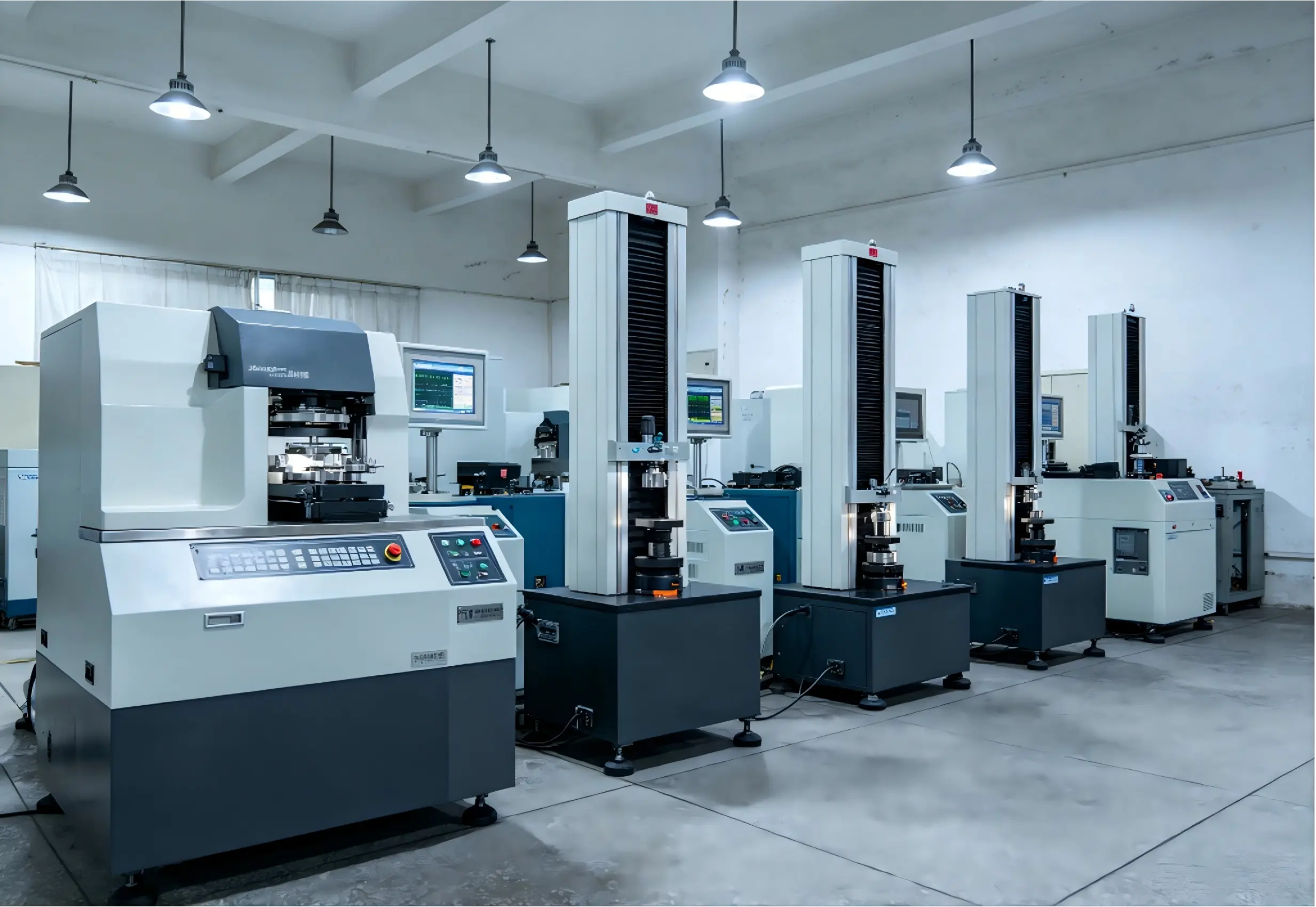
Steel coils must meet exact steel coil size, steel coil length, coating weight, and mechanical properties. Without proper testing, hidden defects can cause failures in construction or manufacturing. Reliable steel coil package and steel coil packaging start with a quality product – and quality is verified by these tools.
1. Ultrasonic Thickness Gauge
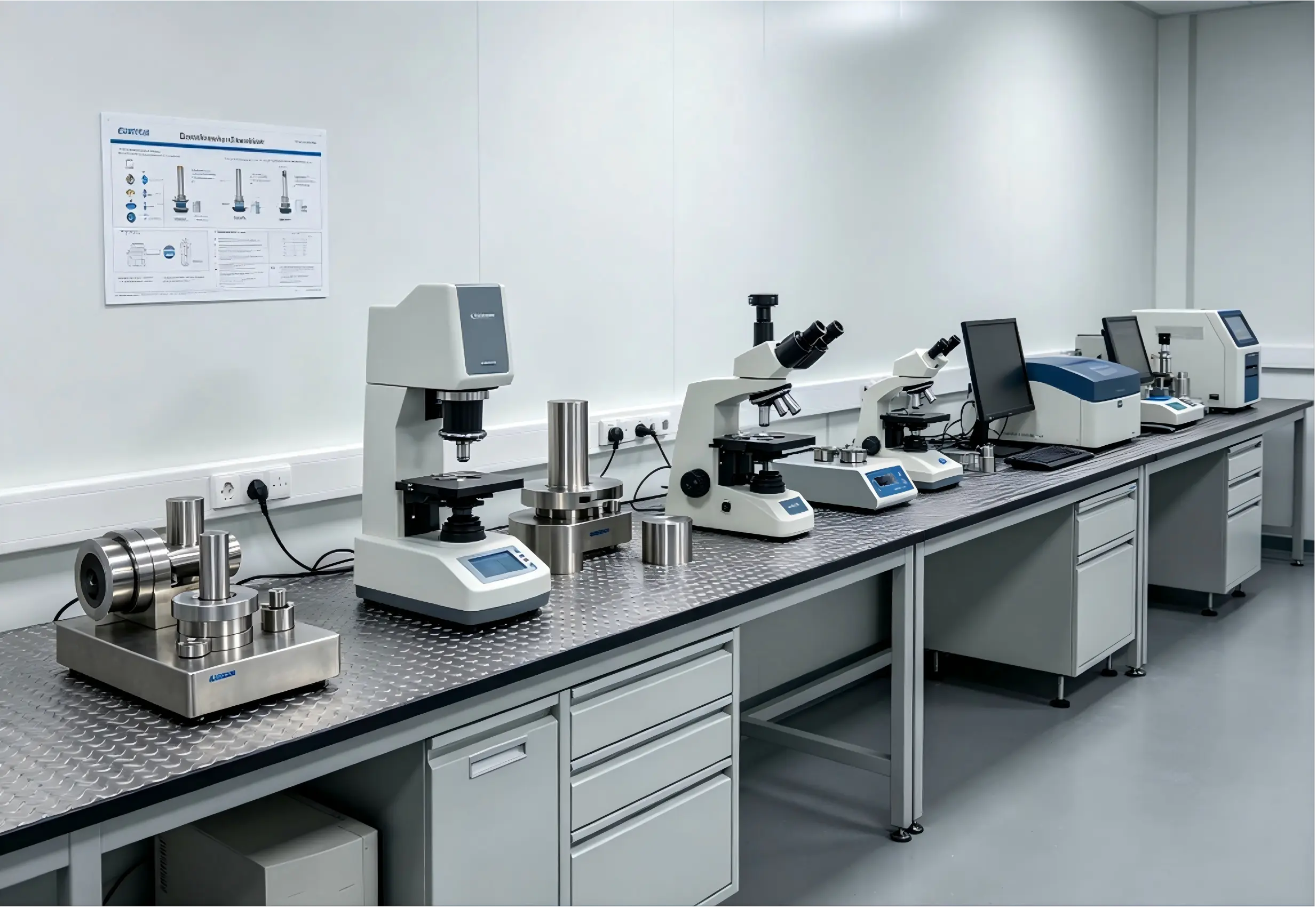
This non‑destructive tool measures steel coil size (thickness) from one side. It uses sound waves to detect thinning, corrosion, or internal voids. Essential for cr coil and Cold rolled steel Coil where tight tolerances are critical.
2. Coating Thickness Tester
For steel coil galvanized and gi coil, the zinc or aluminum‑zinc coating must be uniform. A magnetic or eddy‑current gauge measures coating weight (e.g., Z60, Z90, Z275). This ensures corrosion resistance matches your project needs.
3. Tensile Testing Machine
This machine pulls a sample until it breaks, measuring yield strength, tensile strength, and elongation. Every steel coil hot or Cold rolled steel Coil must pass this test to verify grade (e.g., Grade 50, Grade 80).
4. Hardness Tester (Rockwell, Brinell, or Vickers)
Hardness correlates with strength and formability. Used for cr coil and high‑strength grades. Quick and non‑destructive.
5. Spectrometer (Optical Emission Spectrometer – OES)
This tool analyzes the chemical composition of the steel – carbon, manganese, silicon, etc. It ensures the alloy matches the ordered specification. Essential for traceability from steel coil manufacturers.
6. Surface Defect Detection System
Automated optical systems scan the coil surface for scratches, pits, edge cracks, or oil spots. For gi coil and Cold rolled steel Coil, surface quality is critical for painting or exposed applications.
7. Micrometer and Calipers
Simple but vital. Hand tools verify steel coil length sample points and width. They catch dimensional errors before packaging.
8. Pin Gauge for Inner Diameter
Ensures the coil’s inner diameter matches uncoiling equipment (typically 508mm or 610mm). Prevents handling issues at your facility.
9. Straightness and Flatness Gauge
Checks for coil set, camber, or wavy edges. Poor flatness causes feeding problems in stamping or roll‑forming lines.
10. X‑Ray Fluorescence (XRF) Analyzer
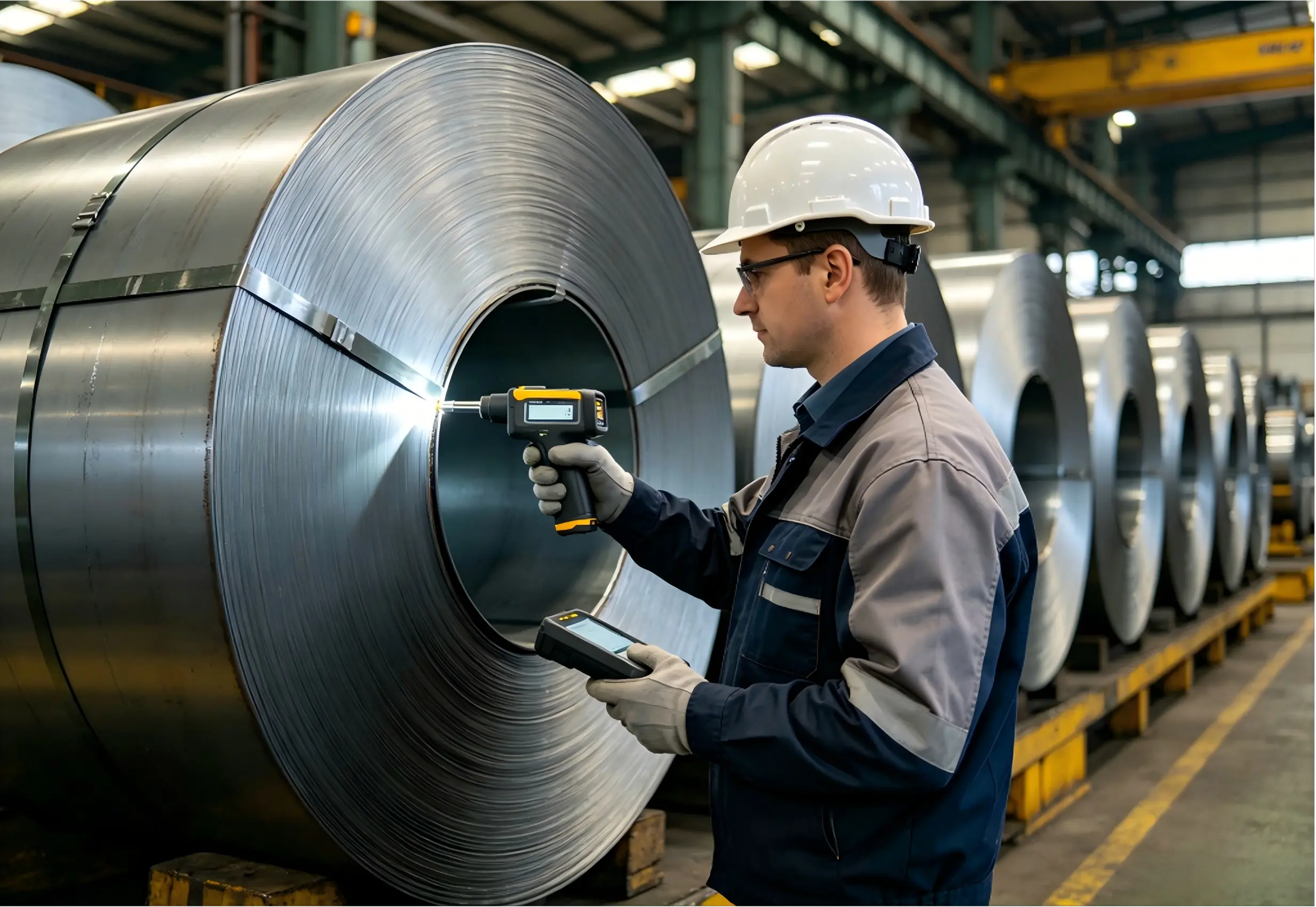
Portable tool for quick alloy verification on the spot. Used by steel coil companies for incoming inspection.
How We Use These Tools to Deliver Quality
Based in Tangshan, China – the heart of the steel industry – and adjacent to Tianjin Port, we have over 16 years of export experience. We partner with large steel coil manufacturers and steel coil factory facilities that employ all the above detection tools.
Our quality promise:
Every gi coil, gl coil, PPGI Steel Coil, Cold rolled steel Coil, cr coil, and steel coil hot is tested before shipping.
We provide mill test certificates with actual results.
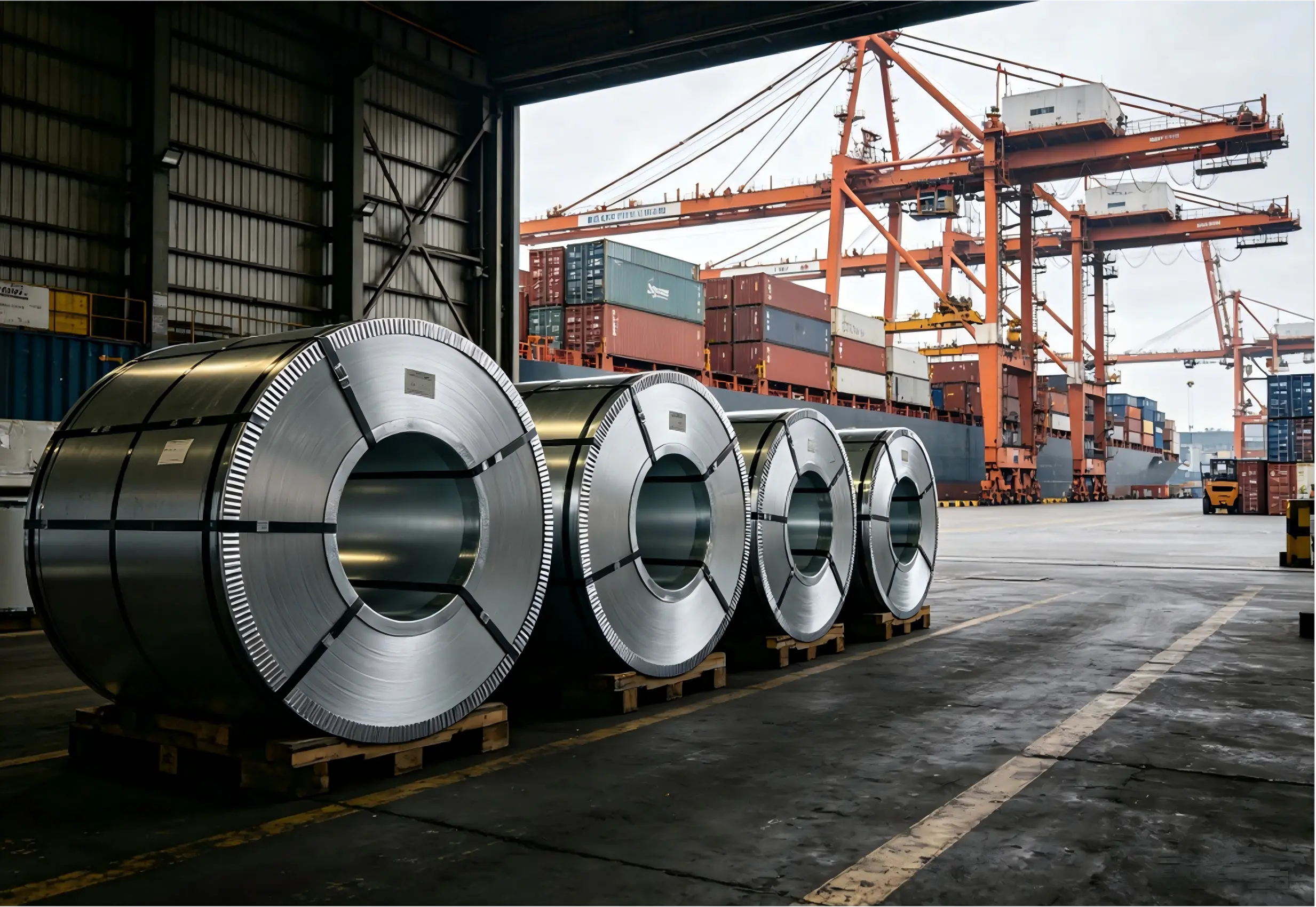
Our steel coil packaging includes VCI, waterproof wrap, edge protectors, and steel strapping to preserve quality during ocean transit.
Price advantage: Direct mill contracts mean we offer competitive 24 ton steel coil price and smaller quantities.
Need a specific steel coil size or steel coil length? Tell us your requirements.
Get a Quote for High‑Quality Steel Coils
Now you know what are the detection tools for steel coils – and why they matter. Don’t accept untested material. Choose a supplier that verifies every coil.
Contact us today for a quote on steel coil for sale. Let our 16 years of experience from Tangshan to Tianjin Port deliver quality you can trust.



RUNYING STEEL GROUP
 Tel:86-315-2199609
 Fax:86-315-5538212
 E-mail:admin@tsrysteel.com
 Central Plaza, Tangshan City
 website:www.tsrysteel.com
Alibaba:https://tsrunying.en.alibaba.com
website:www.tsrysteel.com
Alibaba:https://tsrunying.en.alibaba.com