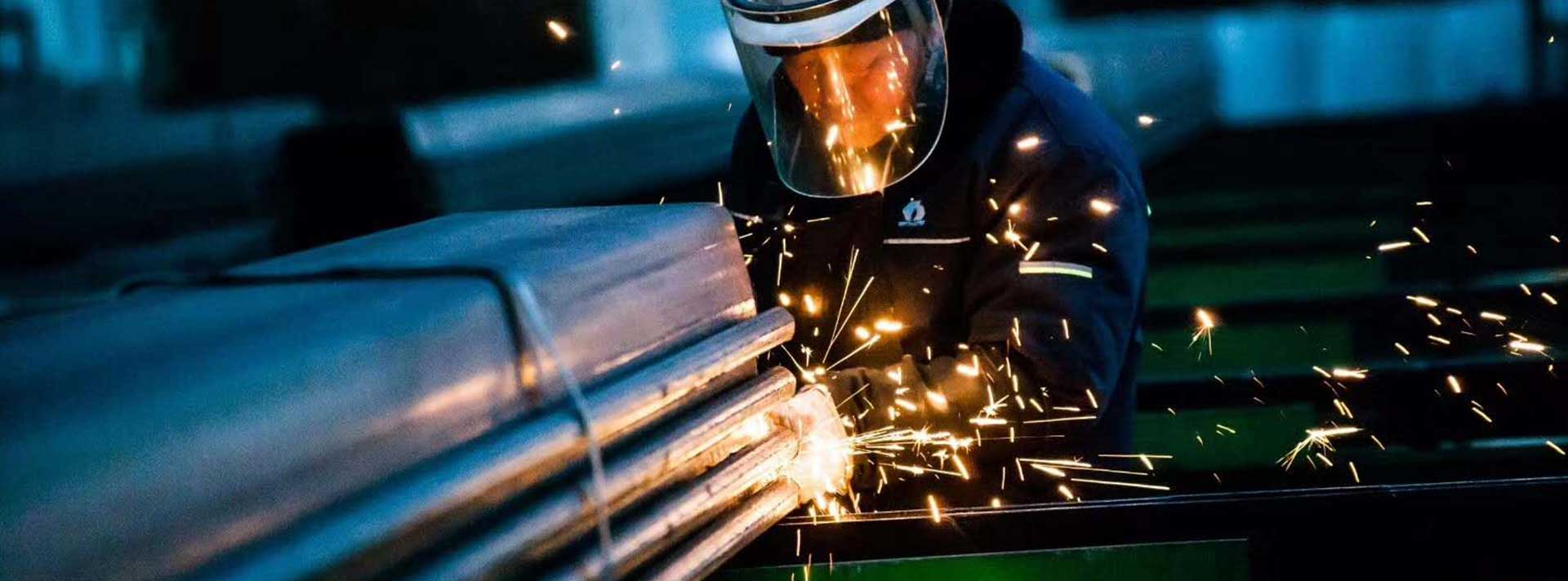
Have you ever wondered how galvanized steel is made? This essential material—used for roofing, automotive parts, appliances, and more—starts as ordinary steel and undergoes a chemical transformation that gives it outstanding corrosion resistance. Understanding the process helps you appreciate the quality behind every gi coil and steel coil galvanized product.
This guide walks you through each step of galvanizing, from raw steel to the finished steel coil galvanized ready for export.
Galvanized steel is carbon steel coated with a protective layer of zinc. The zinc acts as a sacrificial barrier: it corrodes first, protecting the steel underneath even if the coating is scratched. This makes gi coil the top choice for outdoor and high‑humidity applications.
The most common method is hot‑dip galvanizing, which accounts for over 90% of production. Here’s how galvanized steel is made using this process.
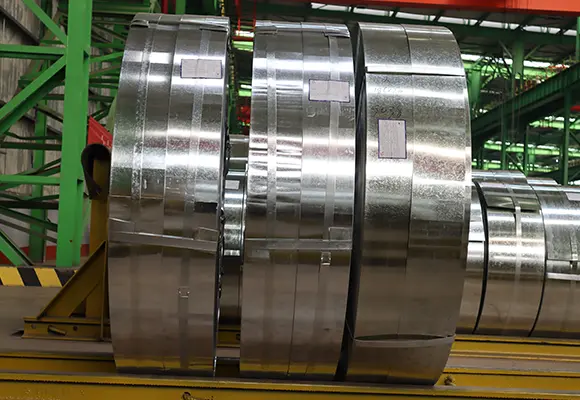
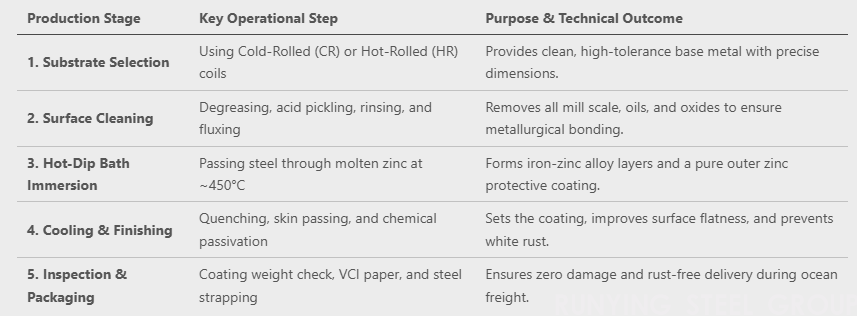
The base material is usually Cold rolled steel Coil or cr coil (cold rolled) because of its smooth surface and tight tolerances. Sometimes steel coil hot (hot rolled) is used for thicker, less critical applications. The steel arrives at a steel coil factory in large coils with precise steel coil size and steel coil length.
Before galvanizing, the steel must be perfectly clean. Any oil, rust, or scale will prevent the zinc from bonding.
The coil is unwound and passed through a series of tanks:
Degreasing: Hot alkaline solution removes oil and dirt.
Rinsing: Clean water washes away residues.
Pickling: Dilute hydrochloric acid removes mill scale and rust.
Rinsing again: Removes acid traces.
Fluxing: The steel is dipped in a zinc ammonium chloride solution. This prevents oxidation before galvanizing and helps the zinc adhere evenly.
This preparation is critical. Without it, the zinc coating will peel or have bare spots.
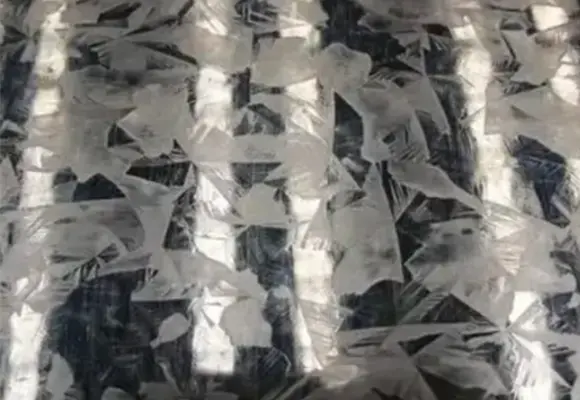
The cleaned, fluxed steel is then immersed in a bath of molten zinc heated to about 450°C (840°F). The steel stays in the bath for a few minutes, allowing a metallurgical reaction to occur.
Zinc molecules diffuse into the steel surface, forming a series of iron‑zinc alloy layers. On top of these alloys, a layer of pure zinc solidifies as the strip exits the bath. The result is a tightly bonded, durable coating.
For continuous production of gi coil, the steel strip moves through the zinc bath at high speed (up to 200 meters per minute). Air knives blow off excess zinc to control steel coil size (coating thickness).
After exiting the bath, the coated strip passes through a quench tank (water or air cooling) to set the coating. It then may go through:
Skin passing: Light rolling to improve flatness and surface finish.
Tension leveling: Removes any remaining coil distortion.
Chemical treatment: A thin passivation layer (e.g., chromate or phosphate) prevents white rust during storage and transport.
Finally, the continuous strip is rewound into a gi coil of specified steel coil length and weight.
Every coil is checked for:
Coating weight (e.g., Z60, Z90, Z275)
Surface appearance (spangle size, uniformity)
Adhesion (bend tests)
Thickness and width tolerances
Then comes steel coil packaging – the critical step for export. Professional steel coil package includes VCI paper, waterproof wrap, edge protectors, and steel strapping. This ensures the steel coil galvanized arrives rust‑free after ocean transit.
The same production line can make other products by changing the bath composition:
GL coil (Galvalume): 55% aluminum, 43.5% zinc, 1.5% silicon. Superior corrosion resistance.
PPGI Steel Coil: Pre‑painted galvanized steel. After galvanizing, a color coating is applied.
But the core question “how galvanized steel is made” always starts with hot‑dip zinc coating.
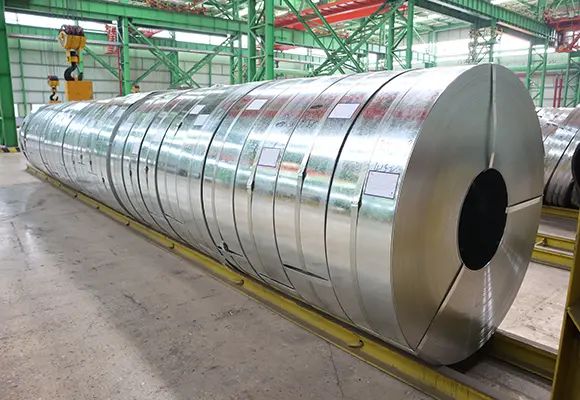
Now that you understand how galvanized steel is made, you can see why choosing the right steel coil manufacturers is vital. Poor surface preparation leads to flaking; wrong bath chemistry causes uneven coating.
We are a leading exporter based in Tangshan, China – the heart of the steel industry – strategically located adjacent to Tianjin Port. With over 16 years of export experience, we work directly with major steel coil companies and steel coil factory partners, giving us a price advantage that we pass to you.
We supply:
Steel coil galvanized (GI coil) in coating weights Z60–Z275
Cold rolled steel Coil and cr coil as substrate
PPGI Steel Coil (any RAL color)
GL coil (Galvalume)
Steel coil hot (hot rolled) for non‑galvanized needs
Every coil receives professional steel coil packaging for safe ocean shipping. We provide exact steel coil size and steel coil length per your order.
Get a competitive 24 ton steel coil price or any quantity. Contact us today with your specifications!
Explore advanced surface-treated coils: Chromium-Free Anti-Fingerprint Galvalume Steel Coils
Learn about structural framing options: Structural C Channel & UPN/UPE Steel Beams
Calculate container weight limits for coil shipments: Steel Coil Weight & Dimensions Calculator Guide
Review secure foreign exchange payment terms: Secure Payment Terms & Bank of China L/C Support
Direct Sales Email: admin@tsrysteel.com
WhatsApp / Phone: +86 15176700707
Official Website: http://www.tsrysteel.com
Facebook Page: https://www.facebook.com/tangsteel
Product Catalog: Browse All Steel Coils, Sheets & Profiles →



RUNYING STEEL GROUP
 Tel:86-315-2199609
 Fax:86-315-5538212
 E-mail:admin@tsrysteel.com
 Central Plaza, Tangshan City
 website:www.tsrysteel.com
Alibaba:https://tsrunying.en.alibaba.com
website:www.tsrysteel.com
Alibaba:https://tsrunying.en.alibaba.com