86-315-2199609 admin@tsrysteel.com Contact Us

Language
CN

Why Are Steel Coils So Heavy? The Science of Steel Density and Coil Design

Date:2026-02-27 Vina Click:

If you've ever seen a steel coil in person or watched one being loaded onto a truck, you've likely asked yourself: "Why are steel coils so heavy?" It's a fair question. These cylindrical bundles of metal can weigh as much as a fully loaded semi-truck—yet they're compact enough to fit in a single shipping container. The answer lies in the fundamental properties of steel, the manufacturing process, and the practical reasons behind coil design.

This comprehensive guide explains exactly why steel coils are so heavy, breaks down the factors that determine coil weight, and shows how understanding these factors helps you make smarter purchasing decisions—especially when sourcing steel coil for sale from international markets.


The Short Answer: Density × Volume = Immense Weight

Steel coils are heavy for one simple reason: steel is incredibly dense. The density of carbon steel is approximately 7,850 kg per cubic meter (0.284 lb per cubic inch). To put that in perspective, a cubic meter of steel weighs more than a small car. Now imagine that density concentrated into a tightly wound roll of steel strip—and you begin to understand why are steel coils so heavy.

But density alone doesn't tell the whole story. Three key factors combine to create the massive weights we see in steel coils:

1, Material Density: Steel's inherent heaviness

2, Production Specifications: Thickness, width, and length

3, Coil Design: The geometry of the wound roll

Let's examine each factor in detail.


Factor 1: Steel's Inherent Density

Steel is an alloy primarily composed of iron, with small amounts of carbon and other elements. Iron atoms are densely packed in a crystalline structure, giving steel its characteristic strength—and weight.

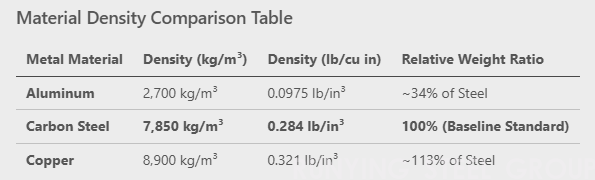
Density comparison:

Material

Density (kg/m³)

Relative Weight

Aluminum

2,700

34% of steel

Steel

7,850

100% (baseline)

Copper

8,900

113% of steel

For every cubic meter of volume, steel weighs nearly 8 metric tons. This fundamental property means that any substantial piece of steel will be heavy—and a coil contains a very substantial amount of steel.

When you're dealing with steel coil galvanized products, the zinc coating adds minimal additional weight (typically 1-4% depending on coating grade), so the heaviness remains primarily from the steel substrate.


Factor 2: Production Specifications That Drive Weight

Steel coil manufacturers produce coils in a vast range of specifications, and each dimension contributes to the final weight. The three critical measurements are:

Thickness (Gauge)

Steel coils range from ultra-thin foil (0.3mm) to heavy plate (20mm+). Doubling the thickness doubles the weight per unit length—a linear relationship that quickly adds up.

Width

Typical coil widths range from 600mm to 2,000mm. Wider coils contain more material in every wrap, increasing overall weight proportionally.

Length

This is the hidden factor that surprises many buyers. A single steel coil can contain thousands of meters of continuous steel strip. When you multiply thickness × width × length, the volume—and therefore weight—becomes enormous.


The fundamental weight formula:

Weight = Thickness × Width × Length × Density


For example, a steel coil hot rolled product with these specifications:

Thickness: 3.0mm

Width: 1,250mm

Length: 1,000m

Density: 7,850 kg/m³

Weight = 0.003 × 1.25 × 1,000 × 7,850 = approximately 29.4 metric tons

This explains why are steel coils so heavy—even modest dimensions multiplied over thousands of meters create a massive total weight.


Factor 3: Coil Geometry and the "Annular Volume" Effect

When steel is wound into a coil, the geometry changes from a flat sheet to a cylindrical roll. The weight is now determined by the annular volume—the donut-shaped space between the inner diameter (ID) and outer diameter (OD).


The annular volume formula:

Volume = (π/4) × (OD² − ID²) × Width

Weight = Volume × Density


Typical dimensions for steel coils:

Inner Diameter (ID): 508mm (20 inches) or 610mm (24 inches) international standard

Outer Diameter (OD): 800mm to 2,000mm, depending on coil size

Width: As specified (600-2,000mm)

This geometry concentrates enormous mass into a relatively compact package—which is precisely why coils are used for transport and storage, but also explains why are steel coils so heavy relative to their physical footprint.


Typical Steel Coil Weights by Category

Understanding why are steel coils so heavy is easier with real-world examples. Here are typical weight ranges by coil type:

Coil Category

Thickness Range

Typical Weight

Common Applications

Light Gauge

0.3mm - 1.5mm

3 - 8 tons

Roofing, cladding, light fabrication

Medium Gauge

1.5mm - 6.0mm

8 - 15 tons

Automotive, appliances, general manufacturing

Heavy Gauge

6.0mm - 20mm

15 - 30 tons

Shipbuilding, heavy machinery, pipes

Galvanized Steel Coil

0.4mm - 6.0mm

5 - 12 tons

Construction, corrosion-resistant applications

A typical 24 ton steel coil price inquiry usually refers to a heavy-gauge coil or multiple smaller coils bundled for shipping efficiency.


Why Does Weight Matter? Practical Implications for Buyers

Understanding why are steel coils so heavy isn't just academic—it has real-world implications for your business:

1. Transportation Limits

Road transport of a single coil generally cannot exceed 25 tons due to vehicle load regulations. Port lifting equipment typically handles coils up to 30 tons per lift. Exceeding these limits requires special permits and equipment.

2. Handling Equipment Requirements

Coil handling equipment—from cranes to coil cars to steel coil packaging systems—is rated by maximum weight capacity. Knowing your coil weight ensures you select appropriate machinery and avoid catastrophic failures.

3. Storage and Floor Loading

Warehouse floors have weight limits. A single 20-ton coil concentrated on a small footprint can exceed floor load ratings if not properly distributed.

4. Shipping Cost Calculation

Ocean freight is priced by weight or volume (whichever is higher). Knowing exact coil weights helps you accurately calculate landed costs and compare steel coil companies quotes.

5. Steel Coil Packaging Requirements

Heavier coils require stronger steel coil packaging materials:

  Heavy-duty steel strapping (more straps, higher tensile strength)

  Reinforced wooden cradles or pallets

  Waterproof wrapping rated for the coil's weight class

  Specialized lifting attachments

Proper steel coil packaging is essential for preventing damage during ocean transit, especially for coils at the upper end of the weight range.


Steel Coil Used For: How Weight Influences Application

The answer to "why are steel coils so heavy" connects directly to steel coil used for applications:

1, Light coils (3-8 tons): Ideal for steel coil galvanized roofing sheets, wall cladding, and ductwork. These can be handled by smaller equipment and are common in construction supply chains.

2, Medium coils (8-15 tons): Standard for automotive stamping, appliance manufacturing, and general fabrication. This weight range balances production efficiency with handling practicality.

3, Heavy coils (15-30 tons): Used in pipe manufacturing, shipbuilding plate, heavy construction, and energy sector applications. These require specialized handling and are typically shipped directly to large-scale manufacturers.


From Understanding Weight to Sourcing Quality Coils

Now that you understand why are steel coils so heavy and how weight affects everything from logistics to application, the next question is: where can you source coils that meet your exact specifications—including precise weight requirements—from a reliable partner?

We are a premier steel exporter based in Tangshan, China—the nation's steel production heartland—strategically located adjacent to Tianjin Port, the largest comprehensive port in northern China. With over 16 years of export experience, we bridge the gap between world-class steel coil manufacturers and global buyers like you.


Why Source Your Steel Coils from Us?

Direct Mill Access & Price Advantage

Our long-standing partnerships with major steel coil companies and steel coil factory facilities give us preferential access to prime production capacity. We secure the exact steel coil size and weight you need—whether it's steel coil hot rolled, cold rolled, or steel coil galvanized—without intermediary markups. This direct relationship allows us to offer highly competitive pricing, whether you're tracking the 24 ton steel coil price or need a custom order.

Comprehensive Product Range

From light-gauge steel coil for sale to heavy plate coils, we supply the full spectrum. Our steel coil galvanized products meet international corrosion resistance standards for demanding applications in construction, automotive, and manufacturing.

Precise Weight Specifications

We understand that knowing exact coil weight is critical for your operations. Every coil is weighed and certified before shipment, with detailed documentation provided. We can supply coils in standard weight ranges or customize steel coil length and dimensions to meet your specific requirements.

Professional Steel Coil Packaging

Our packaging meets and exceeds international ocean freight standards:

  Waterproof wrapping protects against moisture during transit

  Edge protectors prevent damage to coil edges

  Heavy-duty steel strapping (through the eye and across the circumference) ensures stability

  Wooden cradles distribute weight evenly in containers

  All materials are selected based on coil weight class

We follow the rigorous procedures outlined in industry best practices for steel coil packaging, including proper blocking, bracing, and lashing to prevent rolling, toppling, or shifting during sea transport.

Strategic Logistics Hub

Our location adjacent to Tianjin Port enables efficient consolidation and shipment. We manage the entire logistics chain—from mill to port to your doorstep—reducing lead times and freight costs.

Technical Expertise

Our team helps you select the right grade, coating, and steel coil size for your specific steel coil used for applications. We ensure you don't overpay or under-specify, providing technical support throughout the purchasing process.


Key Specifications When Ordering Steel Coils

When you're ready to purchase, here are the critical parameters to specify:

Parameter

Typical Range

Why It Matters

Steel Grade

ASTM A653, JIS G3302, EN 10143

Determines mechanical properties and suitability

Thickness

0.3mm - 6.0mm (galvanized)

Affects weight, strength, and application

Width

600mm - 1,500mm

Must match your processing equipment

Coating

Z60 - Z275 (g/m²)

Corrosion resistance level

Inner Diameter

508mm or 610mm

Must fit your uncoiling equipment

Coil Weight

3 - 15 tons (typical)


Steel Coil Length

As required

Total material available


Frequently Asked Questions About Steel Coil Weight

Q1: How can I quickly estimate coil weight?

A1: Use this simplified formula:

Weight (tons) ≈ 0.00617 × Thickness (mm) × Width (m) × Length (m)


Q2: Why do coils of the same specification sometimes weigh differently?

A2: Variations come from:

Thickness tolerances (positive/negative variations)

Coil tightness affecting outer diameter

Different inner diameter standards (508mm vs 610mm)


Q3: What's the maximum coil weight for container shipping?

A3: For a standard 20-foot container, the practical limit is approximately 25-27 tons total, typically split into 2-3 coils depending on individual weights.


Q4: Does galvanizing add significant weight?

A4: Zinc coating adds approximately 1-4% to total weight depending on coating grade (e.g., Z60, Z90, Z275). For most purposes, this is negligible compared to the steel substrate.


Ready to Source High-Quality Steel Coils?

Understanding "why are steel coils so heavy" is understanding the precision and expertise behind every high-quality coil. From material density to production specifications to safe transport, weight touches every aspect of the steel supply chain.

Don't leave your supply chain to chance. Partner with an experienced exporter who understands the technical details—and the logistics.

Contact us today with your specifications. Let our 16+ years of export experience and direct mill access provide you with the best steel coil solutions at truly competitive prices. Request a quote now and experience the difference of working with a true steel industry partner.


  • What is Galvalume Sheet? The C

    What is Galvalume sheet? It‘s a 55% ...

    Time:2026-02-27
  • Rising Global Trade Barriers R

    The global trade environment is tigh...

    Time:2026-02-27
  • Will Galvanized Steel Rust? Th

    Wondering "will galvanized stee...

    Time:2026-02-27
  • Why Are Steel Coils So Hot? Th

    Wondering why steel coils are so hot...

    Time:2026-02-27
  • Quality control standards for

    The quality of galvanized steel shee...

    Time:2026-02-27
  • How to Cut Steel Rebar: Method

    Learn how to cut steel rebar safely ...

    Time:2026-02-27
Copyright© RUNYING STEEL GROUP