

|
HRB400E Grade Hot Rolled Ribbed Seismic Rebar (GB/T 1499.2)
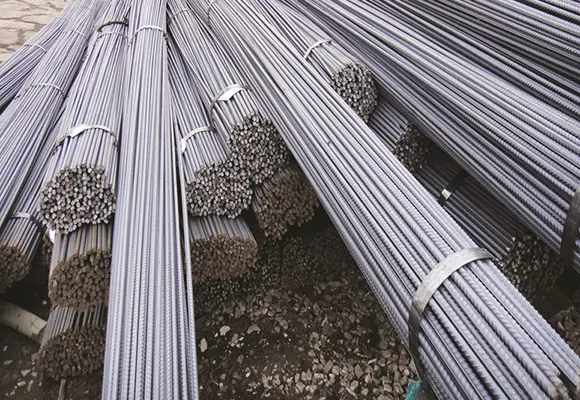
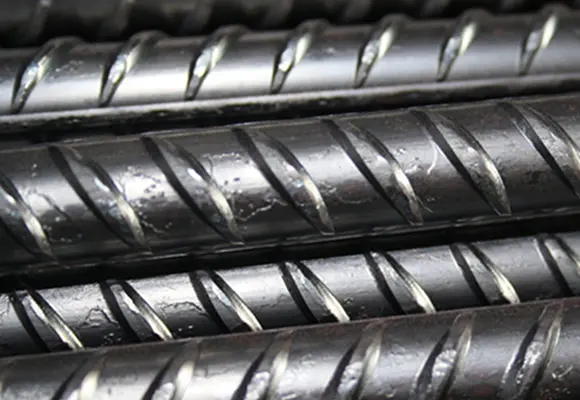
HRB400E is a hot-rolled ribbed steel bar produced according to the Chinese standard (GB/T 1499.2), where the "E" denotes its seismic (earthquake-resistant) properties. It is the most widely used high-strength seismic rebar in the Chinese market. |
HRB400E is a premium hot-rolled ribbed steel rebar manufactured under the Chinese National Standard GB/T 1499.2-2024. The letter "E" specifically designates its superior Earthquake-Resistant (Seismic) properties.
Through micro-alloying and precision controlled rolling and cooling processes, HRB400E delivers exceptional yield strength alongside remarkable ductility, a high tensile-to-yield ratio, and excellent weldability. It is widely recognized as the primary structural reinforcement bar for seismic-zone infrastructure and high-rise commercial developments worldwide.
To assist global engineers and procurement officers, below is the technical profile of HRB400E and its primary international equivalents:
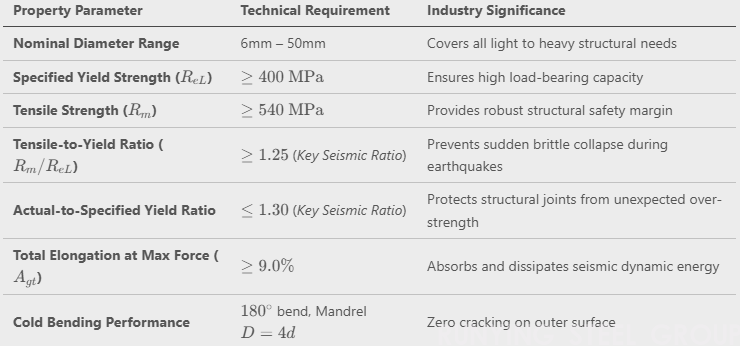
1. Mechanical & Physical Properties
2. International Grade Cross-Reference Chart
If your engineering drawings specify other international standards, HRB400E serves as a high-performance equivalent to:
·ASTM A615 / A706: Grade 60
·British Standard (BS 4449): B500B / B500C
·Japanese Standard (JIS G3112): SD400 / SD400E
·Eurocode (EN 10080): B500B
1. Superior Earthquake Resistance & Safety
The stringent 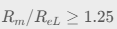 and
and .0% guarantees a long, ductile plastic deformation phase before ultimate fracture. This prevents catastrophic structural failure during seismic events, providing vital emergency evacuation time.
2. Cost-Effective Structural Design
Replacing lower-grade rebars (such as HRB335 or Grade 40) with HRB400E reduces total steel volume in concrete designs by 10% to 15%, significantly lowering overall project material and freight costs.
3. Outstanding On-Site Workability
Optimized chemical composition ensures high weldability (compatible with butt welding and lap welding) and smooth bendability without micro-fracturing on construction sites.
·High-Rise & Public Buildings: Main load-bearing columns, beams, foundation rafts, and shear walls.
·Critical Lifeline Infrastructure: Emergency command centers, hospitals, schools, and airport terminals in active seismic zones.
·Heavy Civil Engineering: Bridges, highway overpasses, tunnels, subways, and marine ports.
As an experienced steel exporter located in Tangshan, China, near Tianjin Port, we supply HRB400E rebars tailored for international maritime transport:
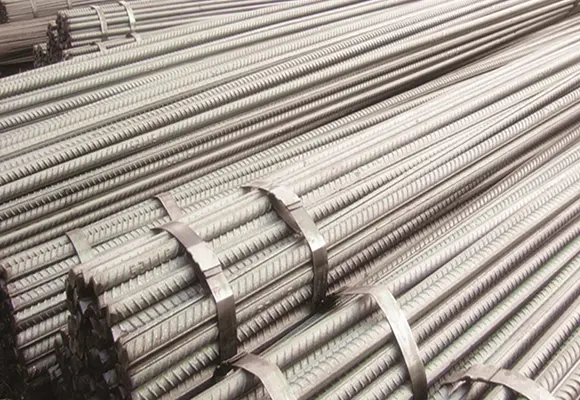
·Standard Lengths: 6-meter, 9-meter, or 12-meter straight lengths (U-folded/bent 12m available to fit standard 20ft containers).
·Export Bundling: Firmly strapped with high-tensile wire/steel bands in 2.0 to 3.0 metric ton bundles, complete with dual aluminum tags for batch traceability.
·Container Loading Optimization: We optimize loading to maximize the 25–27 metric ton payload per 20ft heavy-duty container.
Q1: What is the main difference between HRB400 and HRB400E?
A: HRB400 is standard hot-rolled rebar. HRB400E must meet strict additional seismic requirements (tensile/yield ratio ≥1.25, actual/specified yield ratio , and elongation ). HRB400E is mandatory for seismic structural designs.
Q2: Can 12-meter HRB400E rebars be loaded into 20ft shipping containers?
A: Yes. To save ocean freight costs, 12m rebars can be professionally U-bent (folded in half) at the mill to fit into 20ft containers, or shipped straight in 40ft containers / breakbulk vessels for large tonnage orders.
Looking for reliable, certified HRB400E seismic rebar for your upcoming project? Contact our sales engineering team today for factory-direct rates, Mill Test Certificates (MTC), and ocean freight quotes to your destination port.
·Email: admin@tsrysteel.com
·WhatsApp: +86 15176700707
·Request an Instant Rebar Quote →




RUNYING STEEL GROUP
 Tel:86-315-2199609
 Fax:86-315-5538212
 E-mail:admin@tsrysteel.com
 Central Plaza, Tangshan City
 website:www.tsrysteel.com
Alibaba:https://tsrunying.en.alibaba.com
website:www.tsrysteel.com
Alibaba:https://tsrunying.en.alibaba.com